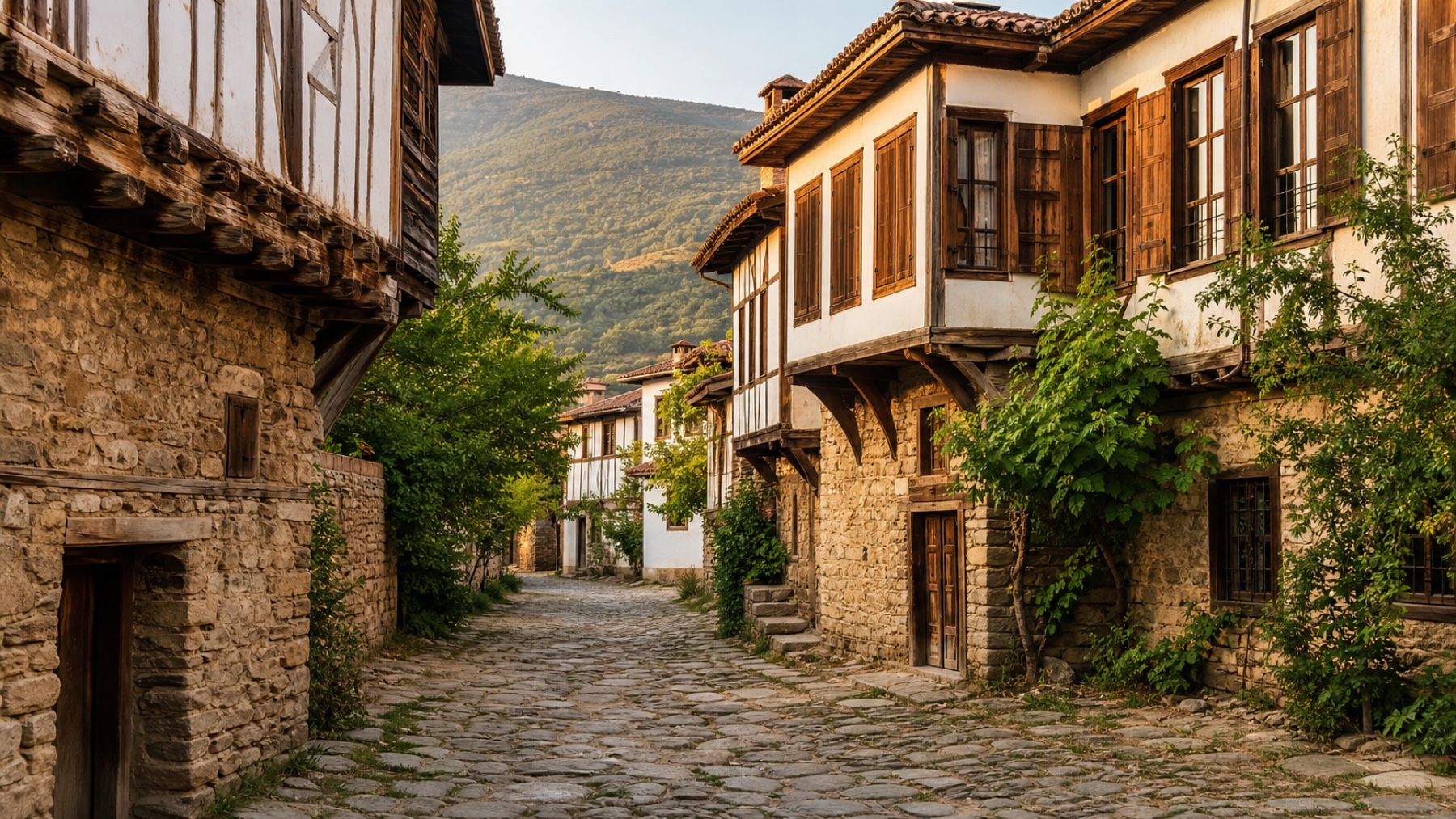
Birgi is the kind of place that rewards an unhurried arrival. Set on the slopes above the Küçük Menderes plain, the town is known for timber-framed houses, stone lanes, gardens and water channels, yet its importance reaches far beyond picturesque architecture. It has been continuously shaped by successive civilisations and later became a significant centre of the Aydınoğulları principality.
A town with many historical layers
UNESCO’s Tentative List entry traces the wider area’s history through Phrygian, Lydian, Persian, Pergamene, Roman and Byzantine rule. Birgi’s most visible architectural identity, however, developed after it became associated with the Aydınoğulları in the early fourteenth century. Mosques, tombs, baths, madrasas and later Ottoman houses form a remarkably coherent townscape.
Tentative List status is an important distinction: Birgi has been proposed by Türkiye for possible future World Heritage nomination, but it is not currently inscribed on the World Heritage List.
What to see
Birgi Ulu Mosque, completed in 1312, is the essential starting point. Its carved wooden minbar, mihrab and window shutters preserve the decorative traditions of the period. This is an active religious monument, so visit quietly, dress respectfully and avoid interrupting prayer.
The town’s houses offer a different kind of history. Çakırağa Mansion is the best-known example, celebrated for its painted interiors and refined woodwork, although opening arrangements can change. Even without entering every building, walking the lanes reveals projecting upper floors, sheltered courtyards and the relationship between homes, gardens and water.
Look beyond the headline monuments. Small fountains, tombs, neighbourhood mosques and fragments of older structures give Birgi its continuity. More than one hundred historic buildings are officially registered, according to the UNESCO Tentative List description.
Planning your visit
Birgi lies near Ödemiş, well inland from central İzmir. A day trip is possible by car or private transfer, while public transport normally requires travelling to Ödemiş and arranging the final connection. Combining Birgi with Ödemiş market, Gölcük or Bozdağ can make a rewarding full day, but trying to include all of them in a short winter afternoon will feel rushed.
Allow two to four hours in Birgi itself. Weekday mornings tend to be calm; weekends bring more day visitors. Comfortable shoes are important on sloping, uneven lanes. Small businesses and museums may follow seasonal or irregular hours, so confirm any must-see interior before setting out.
How to experience Birgi respectfully
Birgi is a lived-in town, not a stage set. Keep voices low in residential lanes, ask before photographing residents and support local cafés and producers without expecting every old house to be open. The most memorable part of the visit is often not a single monument but the rhythm between shade, water, woodwork and mountain air.
Editorial sources: Primary source · Supporting source. Visitor information can change; verify opening arrangements before travelling.
Share a useful local note